

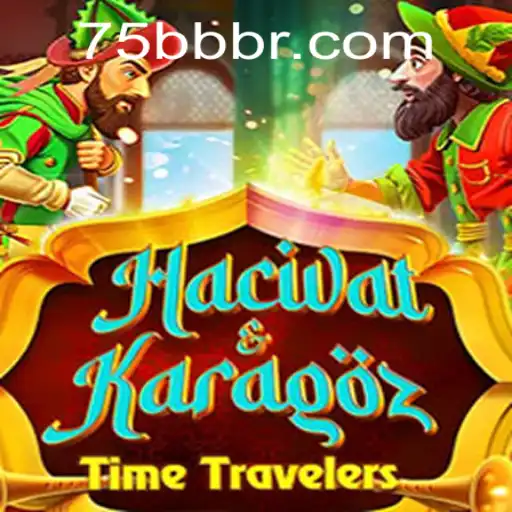
Discovering Hacivat and Karagoz: A Journey Through Time
In the realm of traditional storytelling and entertainment, few tales hold as much cultural significance as that of Hacivat and Karagoz. This age-old shadow play game, rooted deeply in the cultural tapestries of Turkey and wider regions, continues to captivate audiences with its rich narrative and unique presentation.2UUU
The Origins of Hacivat and Karagoz
Hacivat and Karagoz trace their origins back to the Ottoman Empire, serving as a vital form of expression during a period where artistic representations shaped societal norms. Historically, these characters were brought to life using intricate shadow puppetry, a technique that utilizes two-dimensional figures against a light source to cast shadows on a screen, creating a vivid visual display.
The characters, Hacivat and Karagoz, represent a timeless duo where their contrasting personalities mirror the complexities within society. Hacivat is often portrayed as articulate and well-spoken, embodying intellect and sophistication. Karagoz, on the other hand, is characterized by his sharp wit and humor, generally representing the everyman. Their interactions provide not only entertainment but also commentary on social and political issues.
Introduction to the Game
The magic of Hacivat and Karagoz lies in its ability to seamlessly blend humor with incisive social critique. Traditionally, performances occur during Ramadan, adding a layer of cultural prominence to this playful yet profound art form. However, recent trends indicate its revival in various formats, with digital adaptations and live performances becoming increasingly popular.
The game typically unfolds in a series of comedic sketches or scenes, reflecting everyday life scenarios populated by a variety of characters aside from Hacivat and Karagoz, such as merchants, foreigners, and authority figures. Each character brings a unique perspective, offering insights into the diverse social fabric of the time.
Incorporating current events within this framework has allowed for a fresh take on storytelling, resonating with modern audiences who look to theatrical forms not only for entertainment but also for reflection.
Understanding the Rules of the Game
At its core, Hacivat and Karagoz functions as a scripted yet improvisational performance. While there are predefined scenes, the actors behind the puppets have room to improvise, reacting to events of the day or the audience’s mood, maintaining relevance and engagement at every performance.PGVIP
Typically, the puppeteer, known as the Karagözcü, is responsible for manipulating all characters and providing the narrative voice. Mastery over skillful puppet manipulation, voice modulation, and timing is critical, as these elements direct the flow of the performance.
AK766.comThe game proceeds in an episodic format, generally beginning with an introduction where Hacivat attempts to conduct some business or task in a civilized manner, only to have Karagoz derail it with his antics. This interplay leads to a comedic mocking of societal norms, highlighting incongruities and sparking conversation.
Given the evolving societal landscape, scripts have expanded to include social themes pertinent to today's world. Issues like technological advancement, cultural identity, and political dynamics have been woven into performances, ensuring that Hacivat and Karagoz remain a relevant pillar of cultural heritage.
The Game's Resurgence in Modern Culture
The revival of interest in cultural artifacts such as Hacivat and Karagoz is partly driven by digital transformation. Platforms like 75bb.com have facilitated access to such traditional games, allowing global audiences to experience this unique form of storytelling.619luck.com
Moreover, educational institutions and cultural foundations have taken initiatives to preserve and promote these games, integrating them into curriculums and cultural programs. Live performances have also found their way into cultural festivals and international exhibitions, showcasing the narrative’s resonance beyond its geographical origins.
55simIn a remarkably digital era, the resurgence of Hacivat and Karagoz reminds us of the enduring power of storytelling. It reaffirms the idea that while technology evolves, the fascination with tales of yore remains unyielded, drawing in diverse populations fascinated by the universal themes expressed by these timeless characters.
In conclusion, the story of Hacivat and Karagoz is more than just a game; it is a window into the past, a reminder of our shared humanity, and a testament to the enduring nature of culture and art. As the world continues to change, the relevance of this ancient game only grows stronger, echoing the timeless dance between tradition and modernity.